
What Nomad Living Really Means
Nomad living is not always a dream or a carefully planned escape. For some, it is a deliberate choice born from curiosity, adventure, and the desire for freedom. For others, it begins with a crisis. A job loss. A rent increase. A breakup. A moment when life changes faster than the bank account can keep up.
The truth is that modern nomad living exists on both sides of the spectrum. Some people step into it willingly, and others arrive because the system leaves them with no alternative. But once you are on the road, the lifestyle reshapes you in similar ways. It teaches resilience. It sharpens adaptability. It forces you to examine what truly matters and what you can live without.
Living in a vehicle means giving up space, convenience, and predictability. You trade closets for cabinets, rooms for square feet, and routine for the unknown. Yet you gain something else. You gain mobility, perspective, and the ability to wake up in places that make the world feel bigger than your problems.
If you have ever felt trapped by rising costs, burned out by routine, or disconnected from the life you were living, nomad life offers an alternative path. Whether you choose it or it chooses you, it becomes a chance to rebuild your life with intention.
This guide will walk you through everything you need to know to begin that journey.
Why People Choose Nomad Living
People do not end up in this lifestyle by accident. There are patterns that repeat across thousands of stories.
The rising cost of living
Rent goes up. Utilities go up. Groceries go up. Wages do not. Nomad living becomes a financial strategy that allows people to breathe again.
Escaping burnout
Some leave the traditional system because they feel drained. They want an alternative to commutes, offices, and endless bills.
A desire for freedom
Many people crave the ability to move, explore, and live without being tied to one location.
Remote work opportunities
Technology and connectivity allow people to work from anywhere, creating the first generation of mobile professionals.
Minimalism and simplicity
Nomad living teaches you how little you actually need. Life becomes focused on experiences instead of possessions.
Life transition or collapse
Divorce, job loss, medical bills, and personal crises push some into vehicle dwelling as a lifeline and a fresh start.
No matter why someone starts, the road has a way of reshaping them.
New to Nomadlife?
Check out my eBook:
“Nomad Syndicate: A Beginner’s Guide to Nomad Life”
Whether you’re planning to live in your car, van, or RV – or just exploring the idea – this guide is packed with insights, tips, and real talk from someone who’s lived it since 2018.
Step 1: Decide What Type of Nomad Life Fits You
Not all nomads live the same way. Before you commit, choose the lifestyle that matches your budget, comfort needs, and long-term goals.
Car or SUV Dwelling
The cheapest entry point. Easy to stealth camp. Limited space and comfort. Great for starting fast.
Minivan or Passenger Van
More room than a car. Easier to build a simple bed platform. Lower cost than cargo vans.
Cargo Van or Conversion Van
The classic vanlife setup. Flexible layout options. Can support full builds with insulation, solar, and running water.
Shuttle Bus or Skoolie
Large interior space. Feels more like a tiny home. Requires more gas and mechanical awareness.
RVs and Travel Trailers
Full amenities. Less stealthy. Great for comfort but limited in small cities.
Your lifestyle, budget, and mechanical comfort will decide which option fits best.
Step 2: Choosing the Right Rig
This is one of the most important decisions you will make. You do not need a perfect vehicle. You need one that is reliable, safe, and capable of supporting your needs.
What to look for
- A healthy engine
- Clean transmission shifts
- Minimal rust
- Straight frame
- Good brakes and tires
- Reasonable mileage for the vehicle type
Common beginner mistakes
- Buying the first van they see
- Choosing style over reliability
- Ignoring rust underneath
- Overpaying for poorly built conversions
- Underestimating repair costs
Research the model you want, join forums, read reviews, and if possible, have a mechanic look at the vehicle before buying.
Step 3: Build or Buy Your Setup
You do not need a Pinterest van. You need a functional one.
DIY Build
More affordable. Fully customizable. Takes time and effort.
Essentials include:
- A bed platform
- Storage bins or built-in cabinets
- Insulation to help with heat and cold
- Ventilation
- A simple cooking system
- A safe heating solution
- A water jug or tank
- A basic electrical setup for lights and devices
Buying a Converted Vehicle
Faster. Often more reliable. Can be expensive. Always inspect the electrical and plumbing work.
Interior Priorities
- Safety
- Functionality
- Breathable airflow
- Insulation
- Storage efficiency
- Comfort for sleep
- Easy access to daily items
Your setup should serve your lifestyle, not complicate it.
Step 4: Money, Work, and Staying Afloat
Nomad life can be cheap, but it is not free. You need a plan.
Remote Work Options
- Customer support
- Writing, editing, design
- Tech jobs
- Social media management
- IT and cybersecurity
- Virtual assistance
Tools like Starlink Roam, hotspots, and offline work strategies make remote jobs possible almost anywhere.
Gig Work
DoorDash, Instacart, Uber Eats, or seasonal Amazon work can support nomad life in cities.
Seasonal or Temp Jobs
National parks, campgrounds, farms, resorts, and ski towns often hire short-term workers.
Emergency Fund
Have at least 500 to 1,500 dollars saved for unexpected repairs or medical needs.
Budgeting
Learn to track:
- Fuel
- Food
- Insurance
- Repairs
- Campsite fees
- Phone and internet
Nomad living becomes more stable when you control your finances.
Step 5: Learn the Realities of Daily Life on the Road
Your success will depend on how well you manage the basics.
Water
Refill at:
- Gas stations
- Parks
- Campgrounds
- Public spigots
- Grocery refill stations
Carry enough for drinking, cooking, and hygiene.
Waste
Most nomads use:
- A bucket and bag system
- Public restrooms
- Composting toilet setups in larger rigs
Greywater usually drains into a jug and should be disposed of responsibly.
Showers
Options include:
- Planet Fitness
- Truck stops
- Solar showers
- Water jugs
- Outdoor setups
- Occasional paid campsites
Showering becomes scheduled, not daily.
Cooking
Use:
- Single propane stove
- Butane stove
- Electric induction if you have good solar
Keep meals simple to reduce dishwashing and water use.
Internet
Starlink, hotspots, or public WiFi.
Always have a backup.
Weather
Extreme heat or cold can be dangerous. Insulation, proper bedding, airflow, and safe heaters matter.
Step 6: Where to Sleep and How to Stay Safe
Finding a safe location every night becomes its own skill.
Best options
- Public land
- Dispersed camping
- Trailheads
- National forests
- Bureau of Land Management land
- Parking lots that allow overnight stays
Apps like iOverlander, Sekr, AllStays, and FreeRoam help tremendously.
Safety habits
- Trust your intuition
- Park in well-lit areas if in town
- Keep keys within reach at night
- Do not open your door for strangers
- Keep your phone charged
- Know where the nearest exit route is
Your instincts will sharpen over time.
Step 7: The Mental and Emotional Side of Nomad Life
Vehicle dwelling changes you in ways most people do not expect.
Loneliness
Prepare for quiet nights and long stretches without social interaction.
Self-reliance
No landlord. No maintenance crew. No neighbors to borrow from. You learn to become your own problem solver.
Adaptability
Weather changes. Plans fall apart. Locations get crowded. You learn to adjust quickly without stress.
Minimalism
You let go of items, expectations, and old versions of yourself.
Freedom
You gain control of your time, your environment, and your pace of life.
This lifestyle strengthens your mind as much as it challenges it.
Step 8: Community and Connection
Nomad living is not always solitary.
Nomad gatherings
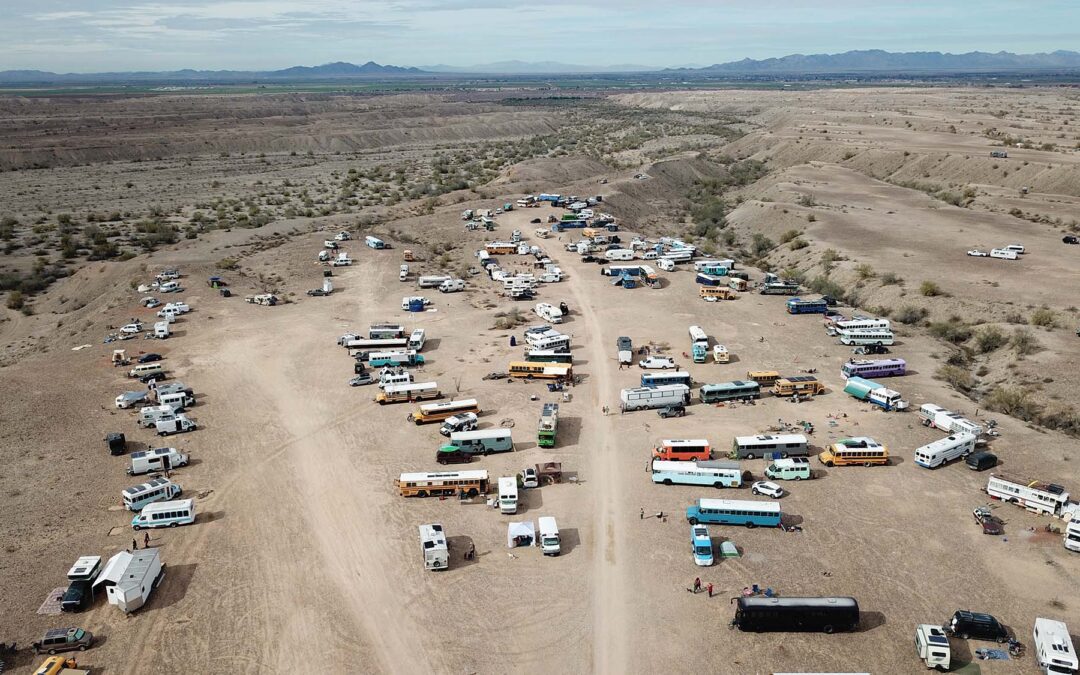
Events like Skooliepalooza, Rubber Tramp Rendezvous, and NorthWest Nomads bring people together for weeks of workshops, music, campfires, and community building.
Online groups
Discord servers, Facebook communities, and forums help you connect with other nomads across the country.
Caravanning
Traveling with friends or small groups provides safety, support, and shared experiences.
Community is the anchor that balances the freedom of the road.
What Nomad Living Teaches You
When you choose this lifestyle, you begin a personal transformation.
You learn:
- How little you need to feel alive
- How strong you are when routines fall apart
- How peaceful life becomes when you disconnect from unnecessary noise
- How nature resets your mind
- How to solve problems creatively
- How to rely on yourself without feeling alone
Nomad living is not just a lifestyle. It is a new way of understanding the world and your place in it.
Lessons From Living a Nomadic Life
The road is not perfect, but it is honest. It strips away the superficial and reveals who you really are. You learn to embrace challenges as lessons and movement as medicine. Every sunrise becomes an invitation to start fresh, and every new place becomes a chapter in the story you are writing.
If you have ever felt the pull toward a life that feels more free, more intentional, and more alive, nomad living might be the path waiting for you.
And once you begin, the road has a way of teaching you everything else you need to know.
You Don’t Have to Do This Alone
Nomad living can be empowering, but it can also feel isolating, especially in the beginning. Questions come fast. Doubts show up at night. Some days you need advice. Other days you just need to know you’re not the only one figuring this out in real time.
That’s why Nomad Syndicate exists.
It’s a growing community of people living on the road, preparing for it, or rebuilding their lives through mobility. Some chose this lifestyle. Others were pushed into it. All of us are learning as we go.
Inside the Nomad Syndicate communities, you’ll find:
- Real conversations about living in vehicles
- Practical advice on water, power, parking, and safety
- Support during breakdowns, setbacks, and transitions
- People who understand the sacrifices and the freedom
- A place to ask questions without judgment
Whether you’re just starting, already living on the road, or considering your next move, community makes this life sustainable.
Join the Nomad Syndicate
- Facebook Group for daily discussion and support
- Reddit Community for open conversation and shared experiences
- Discord Server for real-time chat, resources, and deeper connection
This lifestyle works best when knowledge is shared and people look out for each other.
You’re not behind.
You’re not alone.
And you don’t have to figure this out by yourself.
Welcome to the Syndicate.

Frequently Asked Questions About Nomad Living
What is nomad living?
Is nomad living legal in the United States?
How much money do you need to start nomad living?
How do people living in vehicles get water and use the bathroom?
Is nomad living safe?
Do you need a remote job to live a nomadic lifestyle?
Is nomad living a long-term lifestyle or a temporary solution?
What is the hardest part of nomad living?
Is nomad living the same as homelessness?

